

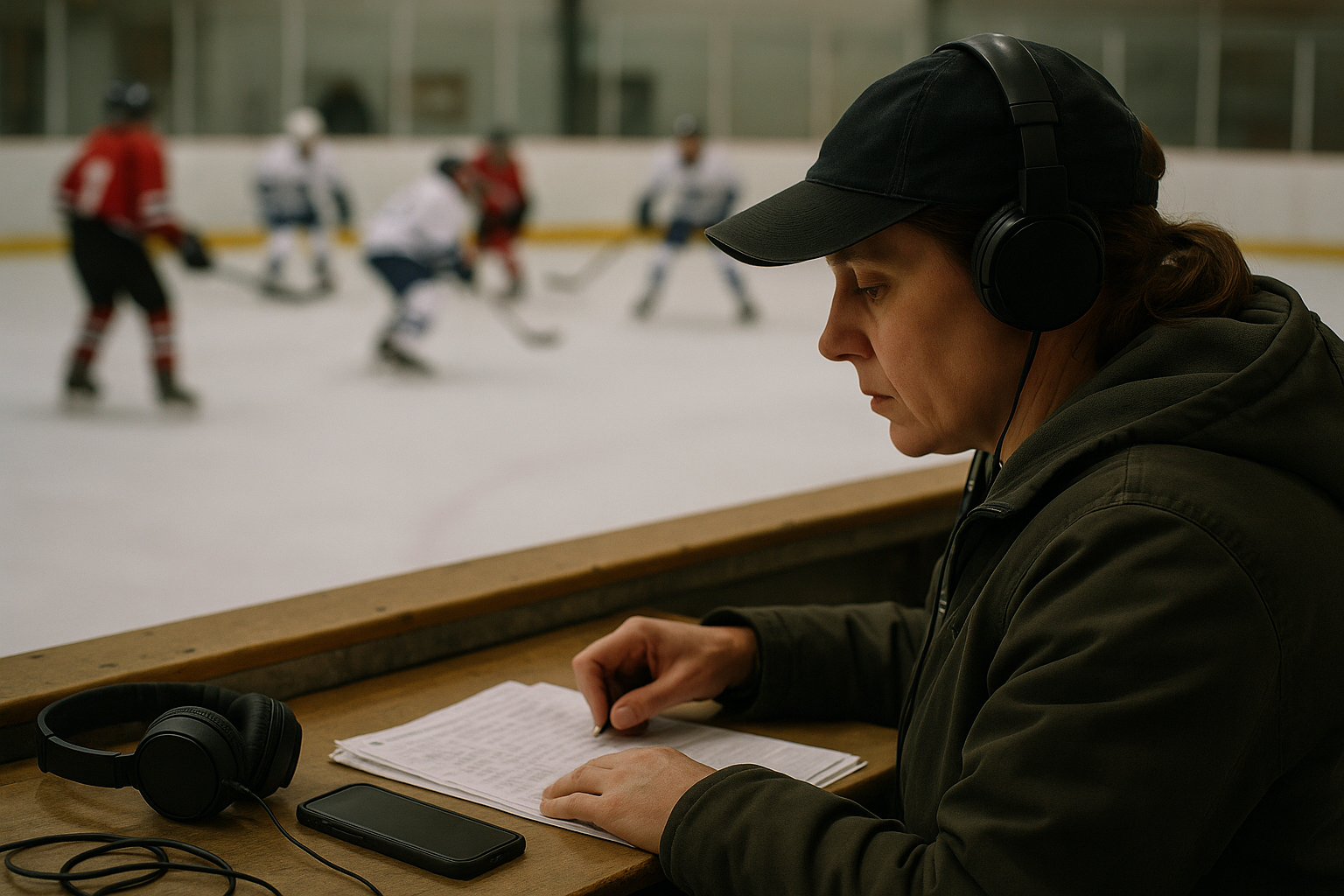
A lot of hockey music problems are not really song problems. They are cueing problems.
You can have the right track in your library and still make the rink feel clumsy if you start it too late, let a dead intro drag, or panic-scroll until the moment is already gone. Most of the time, better hockey music comes from better timing, not a bigger playlist.
Why bad cueing makes decent music feel amateur
In a rink, moments move quickly. A whistle hits, the ref sorts something out, and you may only have a few clean seconds before play is moving again.
If your song needs twenty seconds to wake up, that is not a hockey cue. If you need to hunt for the right track while everyone is waiting, the music stops feeling intentional.
That is why cue points matter. They let a familiar song hit from the section that actually works over rink speakers and inside the time window you really have.
Where to start songs for common hockey moments
Different moments usually need different kinds of starts.
Warmup
Warmup songs can handle a little more runway, but they still usually sound better if they get to the groove quickly. You are trying to create energy in the building, not make people wait through a long intro that only works on headphones.
Short stoppages
Short stoppages need immediate payoff. Start from a hook, a beat drop, or a section with obvious rhythm. If the good part starts ten or fifteen seconds in, save that point instead of hoping you will drag the playhead there live.
Goal and celebration moments
These need the fastest reaction of all. The best goal-song cues feel instant and recognizable, even if they only play for a short burst.
Post-game
Post-game music can breathe a little more, but it still helps to start from a section that settles the room quickly instead of meandering into it.
How to prepare cue points before you get to the rink
The easiest way to look prepared at the rink is to do the cueing work before you leave home.
Pick your likely songs, listen for the section that actually works in the building, and save the start point there. Do not assume the official beginning of the track is the right place to start it. In a lot of cases, it is not.
It also helps to test songs with real speaker reality in mind. A section that feels subtle in headphones can disappear completely in a cold rink with chatter and skate noise around it.
Common cueing mistakes that make operators look unprepared
1. Letting slow intros run too long
A song can be good and still have a useless intro for hockey.
2. Using the same start point every time
A track that works for warmup may need a completely different cue for a stoppage or quick celebration.
3. Waiting until game time to figure it out
Live is the worst time to discover a song takes too long to get going.
4. Confusing louder with better
The point is not just to hit the room hard. The point is to hit the moment cleanly.
Conclusion
If you want hockey music to feel sharper, cleaner, and more professional, start by cueing songs better.
A smaller set of tracks with smart start points will usually outperform a giant playlist full of songs you only know from the beginning. In most rinks, that is one of the fastest upgrades you can make.