

A lot of people running music think their job is to keep something playing. That is not actually the job.
Silence is part of the operating system
Music helps shape energy, but silence does too. It creates space, lowers pressure, and lets the room react to what is happening instead of forcing a soundtrack over it.
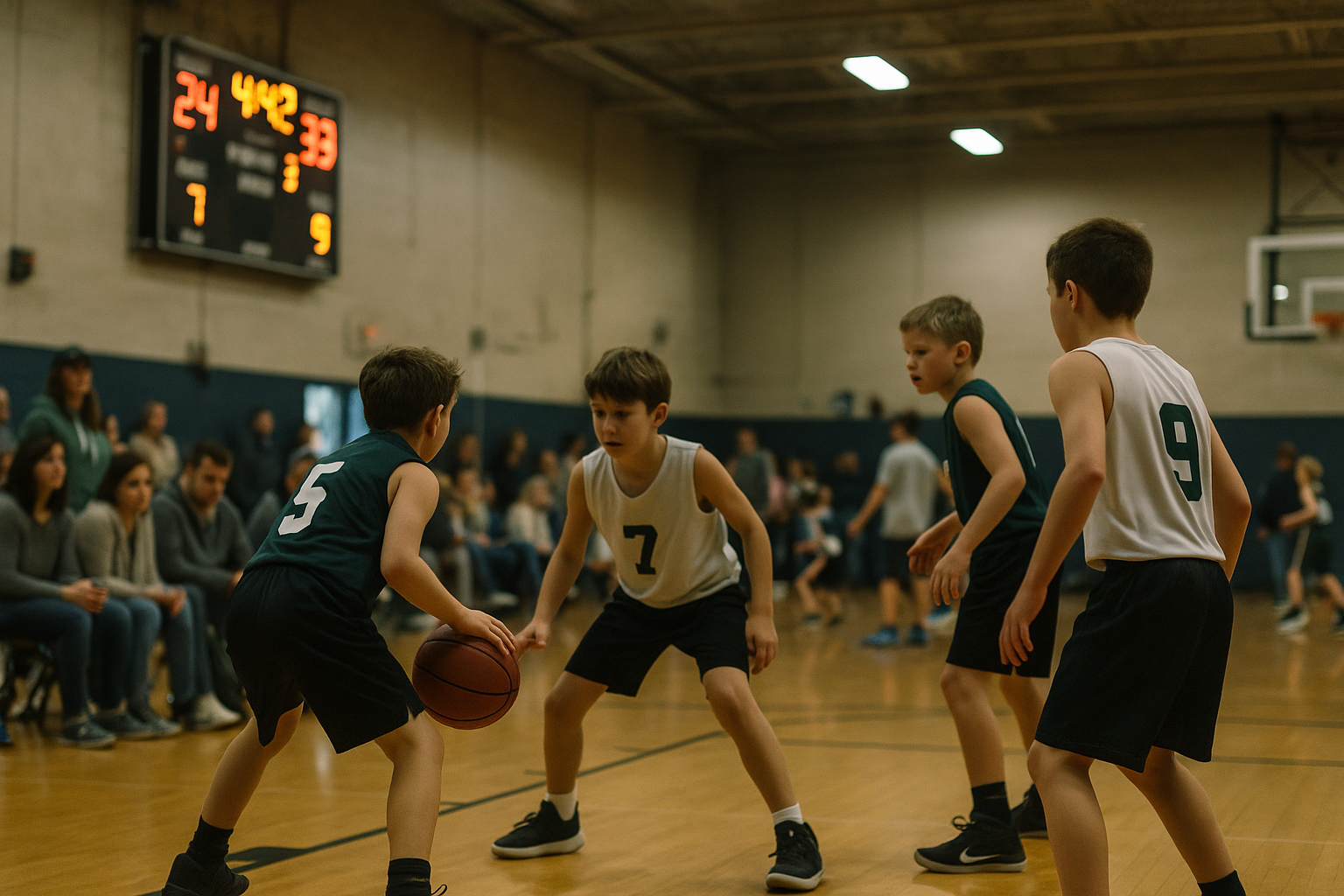
That matters in youth sports because not every pause is casual. Some pauses need room. Some moments need the room to settle. Some moments are better without music at all.
Know the moments that call for restraint
If a player is down, if coaches and officials are talking, or if the game has turned tense, the correct move is often to stop and let the atmosphere breathe. You are not helping by filling every second with sound.
The fastest way to look unaware is to play an energetic track in a moment that clearly needs judgment instead of hype.
Why restraint makes the rest of the music work better
The power of music depends on contrast. If everything is loud, nothing feels intentional. When an operator uses silence well, the next song lands better because the room had a real reset.
That is one reason experienced operators look calmer. They do not panic when the music is not needed.
What silence communicates
In a youth sports setting, silence can communicate attention, respect, and awareness. It tells parents and coaches that the room is being read properly. It tells players that the operator is watching the moment, not just chasing the next cue.
That is an easy thing to miss if you treat game music like background noise.
Conclusion
The best operator is not the one who fills every gap. It is the one who knows when to step back. In youth sports, silence is sometimes the most professional call you can make.